
How often should you deep clean a Los Angeles home? A room-by-room schedule that works
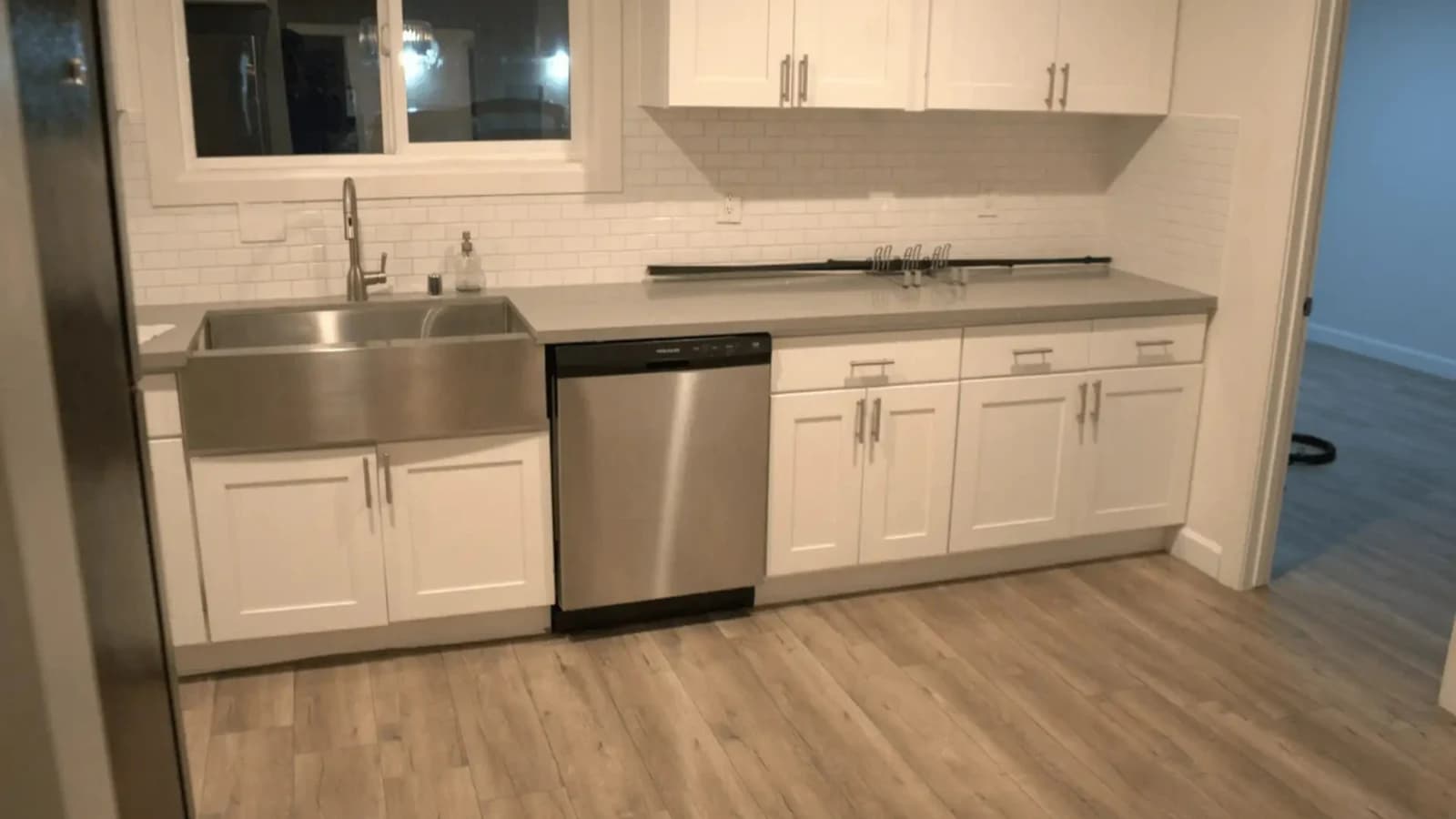
If you have ever asked how often you should deep clean your home, there is no single schedule that works for every room. Kitchens collect grease faster than bedrooms collect dust, while bathrooms deal with moisture and buildup almost every day.
For most homes, a full deep clean every three to six months is a useful starting point. Kitchens and bathrooms usually need detailed attention sooner, while bedrooms and lower-traffic spaces can often wait longer.
In this article from Flash Guys Cleaning Blog, you will learn how frequently to deep clean each major area, what signs mean you should clean sooner, and how Los Angeles conditions can affect your routine. Continue reading to build a realistic schedule without sacrificing entire weekends to cleaning.
Set your deep cleaning frequency according to how each room is used
Regular cleaning handles visible floors, counters, sinks, dust, and everyday mess. Deep cleaning goes further, addressing buildup on baseboards, grout, cabinet fronts, fixtures, fans, window sills, and other areas that routine cleaning often misses.
A practical whole-home deep cleaning frequency is every three to six months, but each room should follow its own rhythm based on moisture, traffic, cooking, pets, and daily use.
As a starting point:
Kitchen: every 4 to 8 weeks
Bathrooms: every 4 to 8 weeks
Living areas: every 2 to 4 months
Bedrooms: every 3 to 6 months
Whole-home deep clean: every 3 to 6 months
Think of these as guidelines rather than strict deadlines. Your home's actual condition should determine whether a room needs attention sooner.
Use this room by room cleaning schedule instead of cleaning everything at once
Trying to deep clean an entire house in a single day can quickly become overwhelming. A rotating routine is usually easier to maintain and prevents smaller cleaning tasks from turning into major projects.
You might focus on kitchens and bathrooms first, living spaces the following month, and bedrooms later in the season. Regular maintenance keeps the rest of the home under control between deeper sessions.
This approach helps you spend more time maintaining a clean baseline and less time recovering from months of accumulated dirt.
Deep clean the kitchen every 4 to 8 weeks
Your kitchen is one of the hardest-working rooms in your home. Cooking leaves grease and food residue on more than countertops, including cabinet fronts, backsplashes, stovetops, handles, and appliance surfaces.
If you cook most days, aim toward the shorter end of the four-to-eight-week range. Homes with lighter kitchen use may be able to wait longer between detailed cleanings.
Look beyond the counters when deciding whether it is time. Sticky cabinets, grease around the stovetop, marks on appliances, and buildup around the sink are stronger indicators than a freshly wiped worktop.
Flash Guys' Deep Cleaning service includes detailed attention to cabinet and drawer exteriors, appliances, microwave interiors, sinks, faucets, stovetops, and backsplashes.
Give bathrooms detailed attention every 4 to 8 weeks
Bathrooms combine moisture, soap, minerals, and constant use. Even with weekly cleaning, grout, shower doors, fixtures, tubs, and detailed areas gradually accumulate residue.
A heavily used family bathroom will usually need deeper attention sooner than a guest bathroom. Instead of relying only on the calendar, monitor how quickly soap scum, water residue, and dull grout return.
If your shower still looks tired immediately after routine cleaning, that is a strong sign that standard maintenance is no longer enough.
A deeper bathroom reset should include toilets, tubs, showers, tile, grout, mirrors, sinks, fixtures, cabinet fronts, and frequently touched surfaces.
Reset living rooms every 2 to 4 months
Living areas usually accumulate dust more slowly than kitchens collect grease, but that does not mean they stay clean indefinitely.
Baseboards, window sills, ceiling fans, electronics, rugs, furniture edges, and spaces under accessible furniture can collect dust while the center of the room still looks perfectly tidy.
For most homes, detailed cleaning every two to four months works well. Pets, children, frequent visitors, or heavy foot traffic may shorten that interval.
When deciding whether your living room needs a deeper clean, inspect the edges of the space rather than the middle of the floor.
Deep clean bedrooms every 3 to 6 months
Bedrooms generally need less frequent deep cleaning because they are exposed to less moisture, food, and activity than kitchens or bathrooms.
Their biggest challenge is slow dust accumulation around baseboards, window areas, fans, furniture, carpet edges, and spaces underneath beds.
Every three to six months is a practical starting point. Homes with pets, carpeting, or higher sensitivity to dust may benefit from more frequent attention.
The goal is not to empty every drawer. Focus on the surfaces and corners your regular cleaning routine usually skips.
Give carpets and upholstery their own cleaning cycle
Vacuuming is important, but it does not replace periodic deeper care for carpets, rugs, sofas, and upholstered furniture.
These materials can hold embedded dirt, pet hair, spills, and residue from repeated daily use. Homes with children, pets, or heavy traffic may need professional carpet and upholstery cleaning more frequently than lightly used properties.
Flash Guys offers Carpet & Upholstery Cleaning separately from its regular Deep Cleaning service, allowing these surfaces to receive specialized care rather than treating every material the same way.
Adjust your schedule for Los Angeles living
A cleaning calendar should also reflect where you live. Los Angeles homes can face very different conditions depending on neighborhood and property type.
A South Bay home may regularly track in sand from coastal areas, while properties closer to major roads can experience more outdoor dust and traffic residue. Smoke, ash, and unusual outdoor air conditions can also temporarily increase the amount of particles entering a home.
You do not need to redesign your schedule after every dusty day. But unusual outdoor conditions are a good reason to bring a planned cleaning forward when visible residue begins accumulating inside.
Make your room by room cleaning schedule seasonal and easier to follow
You do not need a separate calendar reminder for every baseboard and fan blade. Connecting deeper cleaning to seasons can make your routine much easier to remember.
For example, schedule larger resets in spring, summer, and before the holiday season. Between those appointments, give kitchens and bathrooms additional attention whenever buildup starts returning.
This system spreads the work across the year while preventing the entire home from reaching the same point of neglect simultaneously.
When to deep clean
Knowing when to deep clean is less about following a rigid calendar and more about noticing when regular maintenance stops being enough. Sticky kitchen surfaces, dull grout, dusty baseboards, and hard-to-reach areas are common signs that your home needs more than a quick reset.
You should also consider a deeper clean before guests arrive, after a long trip, during seasonal changes, or when starting a recurring cleaning routine. These moments are ideal for restoring areas that may have been overlooked during everyday maintenance.
If your home looks tidy but still does not feel completely fresh, that is another useful signal. Deep cleaning helps reset the details that regular cleaning often misses, making the entire space easier to maintain afterward.
Decide when professional deep cleaning makes more sense
You can absolutely deep clean your own home. The bigger question is whether you want to spend several hours working on grout, kitchen grease, baseboards, fixtures, floors, fans, and hard-to-reach surfaces.
For busy professionals, the decision often comes down to time. A professional service lets you reset the home without losing a weekend that could be spent with family, resting, traveling, or taking care of everything else on your list.
Professional Deep Cleaning can be especially useful before guests arrive, after travel, during seasonal resets, or when starting a recurring cleaning schedule.
Answer the most common deep-cleaning questions
Is deep cleaning once a year enough?
Usually not for an actively used home. Kitchens and bathrooms accumulate detailed buildup much faster than bedrooms and low-use spaces.
A three-to-six-month whole-home reset, combined with more frequent kitchen and bathroom care, creates a more realistic schedule for most households.
Should you deep clean before starting recurring cleaning?
If your home already has noticeable buildup, starting with a deeper reset can make recurring cleaning easier and more effective.
If the property is already well maintained, Standard Cleaning may be enough from the beginning.
Should you clean sooner than your scheduled date?
Yes. Move your cleaning forward if regular maintenance stops producing the result you want.
Persistent kitchen grease, bathroom residue, dusty edges, upcoming guests, post-travel mess, or unusual outdoor dust are all practical reasons to reset earlier.
Build a schedule that protects your home and your free time
You do not need to deep clean every room every month. The smarter approach is to give high-use spaces more frequent attention while allowing quieter areas to follow a slower cycle.
For most Los Angeles homes, use three to six months as a whole-home baseline and give kitchens and bathrooms additional attention between those resets. Adjust the schedule according to pets, household size, cooking, traffic, and the condition of your home.
If regular cleaning is no longer enough, Flash Guys Cleaning can handle the detailed reset without turning your weekend into another cleaning shift. Explore the professional Deep Cleaning service and choose the level of care your home actually needs.